
Biggest Blunders of the World Cup 2025 (Classical)
The FIDE World Cup 2025 gave us a lot of excellent chess - strategic battles, sharp tactics, and plenty of inspiring games. But alongside all that great chess, there were also a few unforgettable moments where even elite players suddenly “lost the plot.” In this roundup, we’re looking at the biggest blunders of the event, but only from the classical games.Why not include tiebreaks? Simple: rapid and blitz playoffs are a blunder festival by nature. Under desperate time pressure, even top grandmasters can hang a rook in one move... just ask Esipenko. Fun to watch, but not really instructive.
Classical games, on the other hand, offer blunders that actually teach us something - and you’ll see exactly what in the diagrams and explanations that follow. Each example comes with a brief commentary highlighting the key moments, so you can pause, try to find the right move yourself, and take away a lesson from every mistake.
If you haven’t already, you might also want to check out my Top 10 Games of the FIDE World Cup 2025, published yesterday, for a selection of the tournament’s most exciting and instructive classical battles **HERE.> > > > With that in mind, let’s jump straight into the Biggest Blunders of the FIDE World Cup 2025 (Classical) - starting with our first example:
**#10 Yakubboev vs Esipenko> > > > 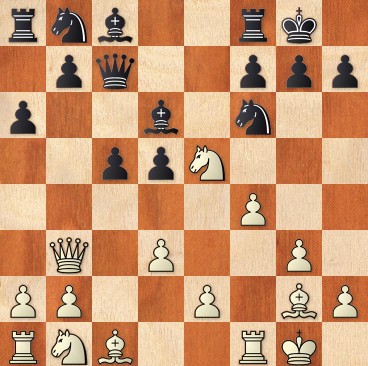 WHITE TO MOVE.
Bxd5 was played. Why is it a blunder?
Think also about an alternative.
WHY: White needed to create some imbalance, that’s the first point, but he likely overlooked his opponent’s strong reply with b5!
**#9 Cardoso vs Jobava> > > > 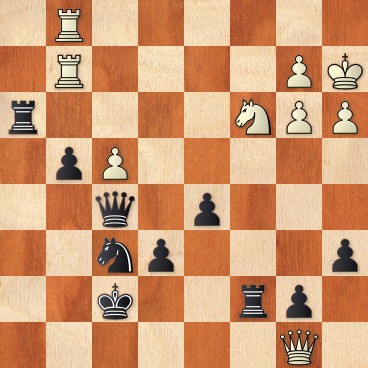 BLACK TO MOVE.
Qxf4 was played. Why is it a blunder?
Think also about an alternative.
WHY: Black was already a pawn up, and the key in the position was to stabilize. Instead, greed took over: Black captured another pawn, but in doing so, White gained a strong initiative.
**#8 Fedoseev vs Wojtazsek> > > > 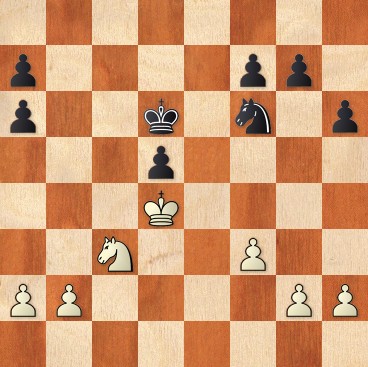 WHITE TO MOVE.
Nd1 was played. Why is it a blunder?
Think also about an alternative.
WHY: White likely overlooked the move Ng8. Knight ́s backward moves are often easy to miss, and in this case, the maneuver proved very strong.
**#7 Karthikeyan vs Idani> > > > 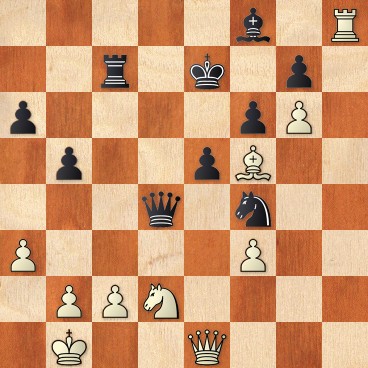 WHITE TO MOVE.
Ne4 was played. Why is it a blunder?
Think also about an alternative.
WHY: White probably overlooked tactical possibilities on c2.
**#6 Aronian vs Erigaisi> > > > 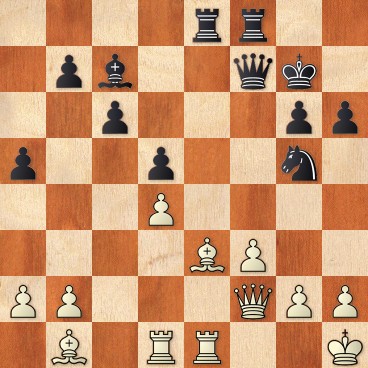 WHITE TO MOVE.
Qf1 was played. Why is it a blunder?
Think also about an alternative.
WHY: With the move Qf1, White loses coordination with his piece on e3, allowing a tactical strike through h2. Fatigue likely played a role, as White had to defend a difficult position against one of the world’s best tacticians. Surprisingly, his opponent didn’t fully capitalize on the opportunity.
**#5 Van Foreest vs Sarana> > > > 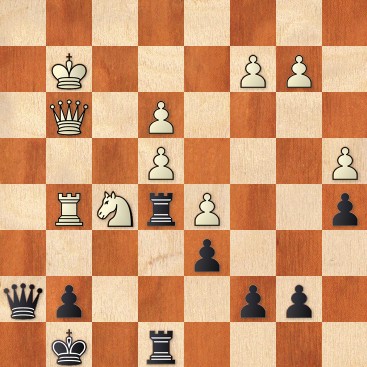 BLACK TO MOVE.
Kh8 was played. Why is it a blunder?
Think also about an alternative.
WHY: Of course, Black overlooked a neat tactical shot. The key to successfully defending this position was returning material in time, as is often the case in such situations.
**#4 Tari vs Pranav> > > > 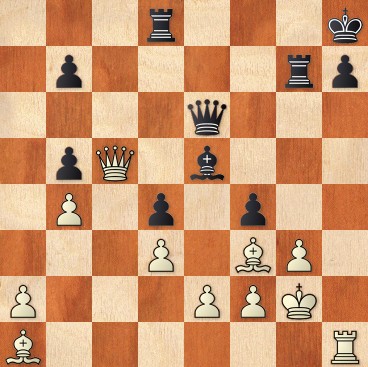 WHITE TO MOVE.
G4 was played. Why is it a blunder?
Think also about an alternative.
WHY: A classic notorious blunder around move 40. White wanted to relieve the pressure on g3, but instead created a tactical weakness. The key move for gaining the initiative was Rh5.
**#3 Motylev vs Avila> > > > 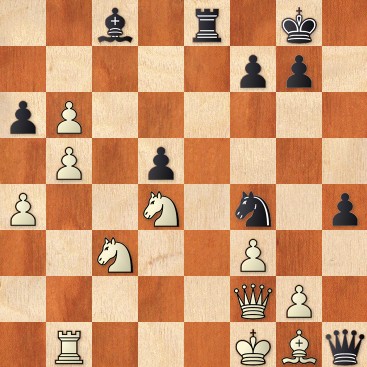 WHITE TO MOVE.
Re1 was played. Why is it a blunder?
Think also about an alternative.
WHY: Honestly, it’s hard to draw a clear conclusion here. Either White made a huge blunder, or it was an act of desperation.
**#2 Stremavicius vs So> > > > 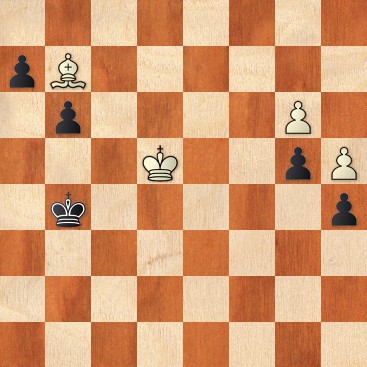 BLACK TO MOVE.
Would you resign here?
WHY: We all know what happened here: a top-10 player resigned in a drawn position, which we can definitely call a blunder. What lesson can be learned from this?
See for yourself on the board.
**#1 Makhnev vs Flores> > > > 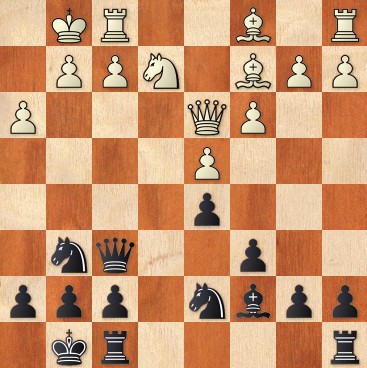 BLACK TO MOVE.
Qd6 was played. Why is it a blunder?
Think also about an alternative.
You may also like
 CM HGabor
How titled players lie to you
This post is a word of warning for the average club player. As the chess world is becoming increasin… FM jeffforever
Interview with IM Lu Miaoyi & WGM Xu Yuanyuan
Get to know the Chinese prodigy IM Lu Miaoyi who won the Women's Tournament of the Sparkassen Chess … Kevin_M06
Deep Analysis of Lichess Puzzles
Ahh... Lichess puzzles. Don't we love them? ChessMonitor_Stats